JOHANNESBURG, Jan. 24 (Xinhua) -- South Africa's consumer price index (CPI) rose 4.7 percent in the year that ended in December 2017, but it remained within the government's 3 percent to 6 percent target band, Statistics SA said on Wednesday.
Average annual consumer price inflation was 5.3 percent for 2017, 1.1 percentage points lower than the previous year's 6.4 percent.
Inflation for December was 4.7 percent, up from 4.6 percent reported in November.
Food inflation for December 2017 was 4.9 percent year-on-year, down from 5.2 percent of November 2017.
According to Statistics SA data, meat prices edged up 14 percent from a year earlier, while bread and cereal prices dropped 5 percent and fruit prices fell 4.2 percent. Vegetable prices added 1.1 percent.
"This is reflective of the current lower agricultural commodity prices, which in turn, have been pressured by a large harvest from the 2016/17 production season," Wandile Sihlobo, an economist with Agbiz told Xinhua on Wednesday.
"We expect this trend to persist in the short term, cushioned by the relatively large stock from the previous season, despite the fears of dryness in the western parts of the country," Sihlobo said.
Another expert, Investec's Kamilla Kaplan, said South Africa's inflation was still within the government target and "seemingly well under control."
Kaplan expected an average inflation rate of 4.8 percent in 2018, noting that South Africa's sluggish economy needs impetus, and investors are hoping for a reduction in repurchase rates by the central bank in March at its monetary policy meeting.
Last week, the central bank put on hold the repo rate as expected, citing political risks to the South African rand as one of the main reasons for its cautious approach.
Also last week, FNB chief economist Mamello Matikinca told Xinhua that inflation would be higher than that of November, because of the fuel hike in December. She expected inflation to reach 4.5 percent through in March.
Investec chief economist Annabel Bishop concurred with her, but she expected inflation to pick up from the second quarter of the year.
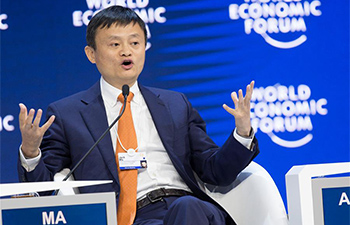
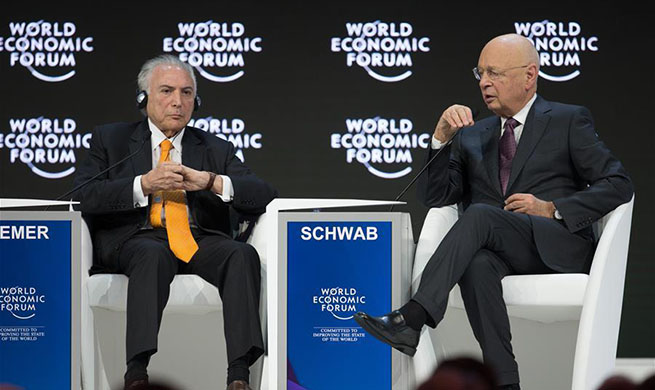
Meanwhile, the South African rand broke through the R12-to-the-U.S.-dollar level on Wednesday, after Deputy President Cyril Ramaphosa met with IMF managing director Christine Lagarde in Davos, Switzerland.
The local currency reached an intra-day high of R11.92 to the greenback. The rand last traded at this level against the dollar on May 25, 2015.
The rand retreated early this week, following news that the African National Congress had not reached an agreement for president Jacob Zuma to step down as the country's president.
Reserve Bank governor Lesetja Kganyago, at the bank's monetary policy announcement last week, cited the "lingering prospect of a credit-ratings downgrade to sub-investment grade by Moody's" as a further risk to the rand.
The IMF this week cut its forecast for South Africa's economic growth to 0.9 percent for both 2018 and 2019, down from previous forecasts of 1.1 percent for 2018 and 1.6 percent for 2019.